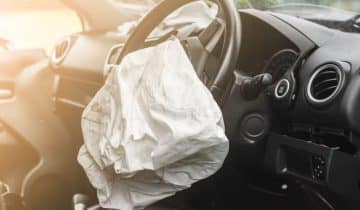
When a vehicle is involved in a serious accident, flood, fire, or other damaging event, its journey doesn’t end, it simply changes direction. Understanding what happens next is critical, whether you’re a car owner, buyer, or rebuilder. This guide breaks down what a salvage title is, how vehicles get there, what happens at auctions, and how professionals safely restore them, highlighting how Safety Restore plays a vital role in bringing safety systems back to life.
What Is a Salvage Title?
A salvage title is issued when an insurance company determines that a vehicle is a total loss. This doesn’t necessarily mean the car is destroyed—it means the cost to repair exceeds a certain percentage of its value (often 70–80%, depending on the state).
Common Reasons a Car Gets a Salvage Title:
- Collision damage (front, rear, side impacts)
- Flood or water damage
- Fire damage
- Theft recovery (after being missing)
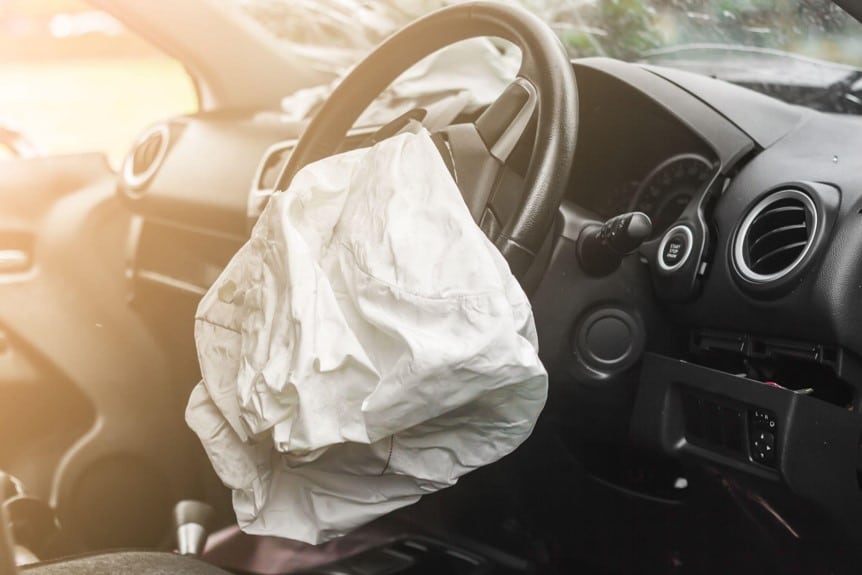
- Airbag deployment and safety system activation
Once labeled salvage, the vehicle is considered not roadworthy until properly repaired and inspected.
What Happens After an Accident?
Let’s walk through the real-world process step-by-step.
1. The Accident Occurs
A vehicle is involved in a crash. Depending on severity:
- Seat belts may lock or deploy
- Airbags may deploy
- The SRS (Supplemental Restraint System) is triggered and stores crash data
2. Insurance Evaluation
The insurance company inspects the vehicle and determines:
- Repair cost
- Vehicle value (ACV – Actual Cash Value)
If repair cost exceeds the threshold → vehicle is declared a total loss
3. Title Branding
The state issues a salvage title, marking the car’s history permanently.
Where Do Salvage Cars Go?
After being totaled, vehicles are typically sent to insurance auto auctions such as:
These platforms sell vehicles to:
- Rebuilders
- Dealerships
- Export buyers
- DIY enthusiasts
Buying a Salvage Vehicle: Opportunity + Responsibility
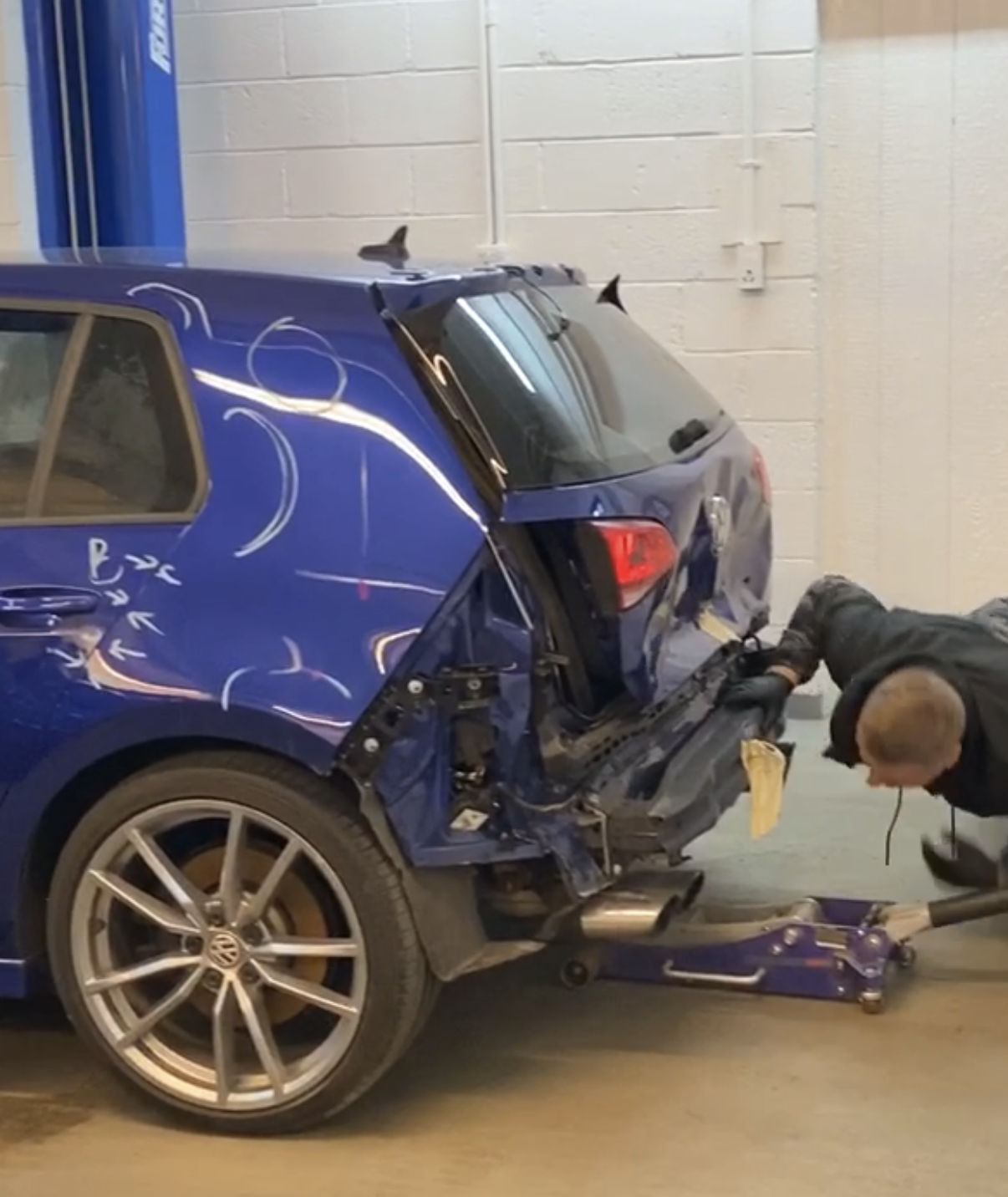
Salvage vehicles can be incredible value buys, but only if rebuilt correctly.
Why People Buy Salvage Cars:
- Lower purchase price
- Opportunity to rebuild and resell
- Access to rare or newer vehicles at a discount
The Catch:
You’re responsible for restoring it to safe, roadworthy condition.
The Rebuilding Process (Done the Right Way)
A professional rebuild is not just about making the car look good—it’s about restoring structural integrity and safety systems.
Key Steps in Proper Restoration:
1. Structural & Body Repairs
- Frame straightening (if needed)
- Replacement of damaged panels
- OEM or high-quality aftermarket parts
2. Mechanical Repairs
- Suspension, steering, drivetrain components
- Cooling systems, radiators, etc.
3. Safety System Restoration (CRITICAL)
This is where many rebuilds fail—or succeed.
After an accident:
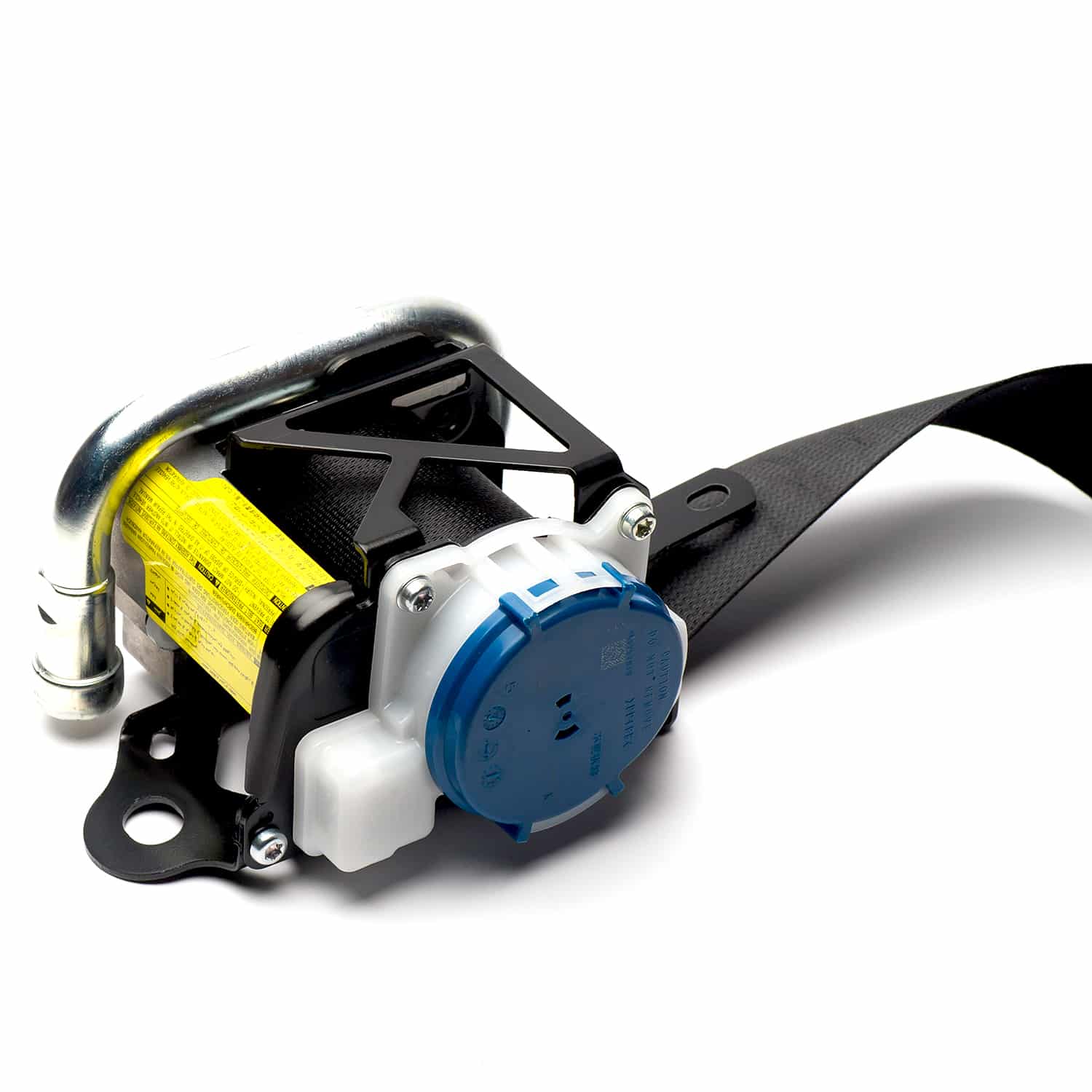
- Seat belts often lock permanently
- Airbags deploy and must be replaced
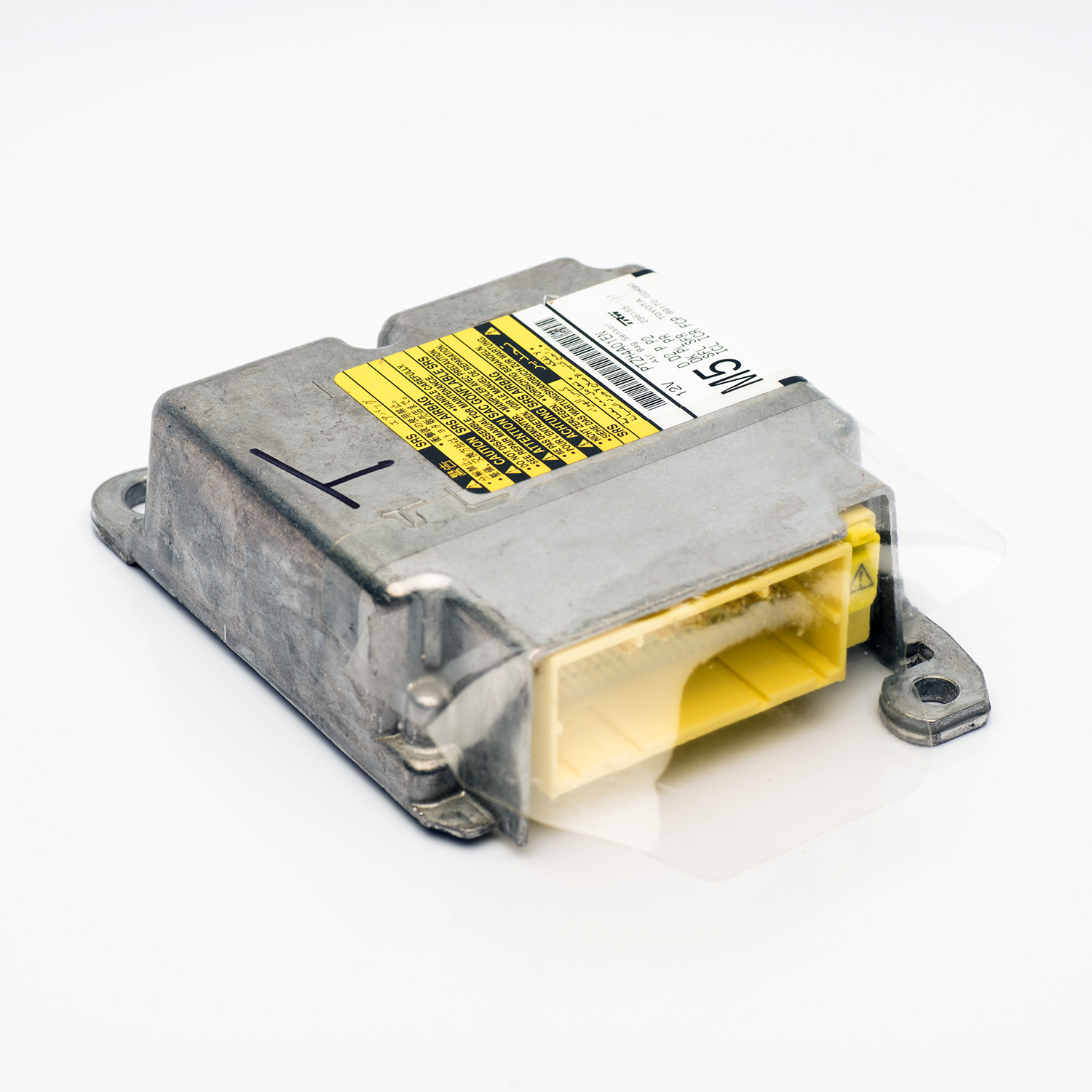
- The SRS module stores crash data and disables the system
Without fixing these correctly, the car is NOT safe, even if it looks perfect.
Why Safety Systems Matter Most
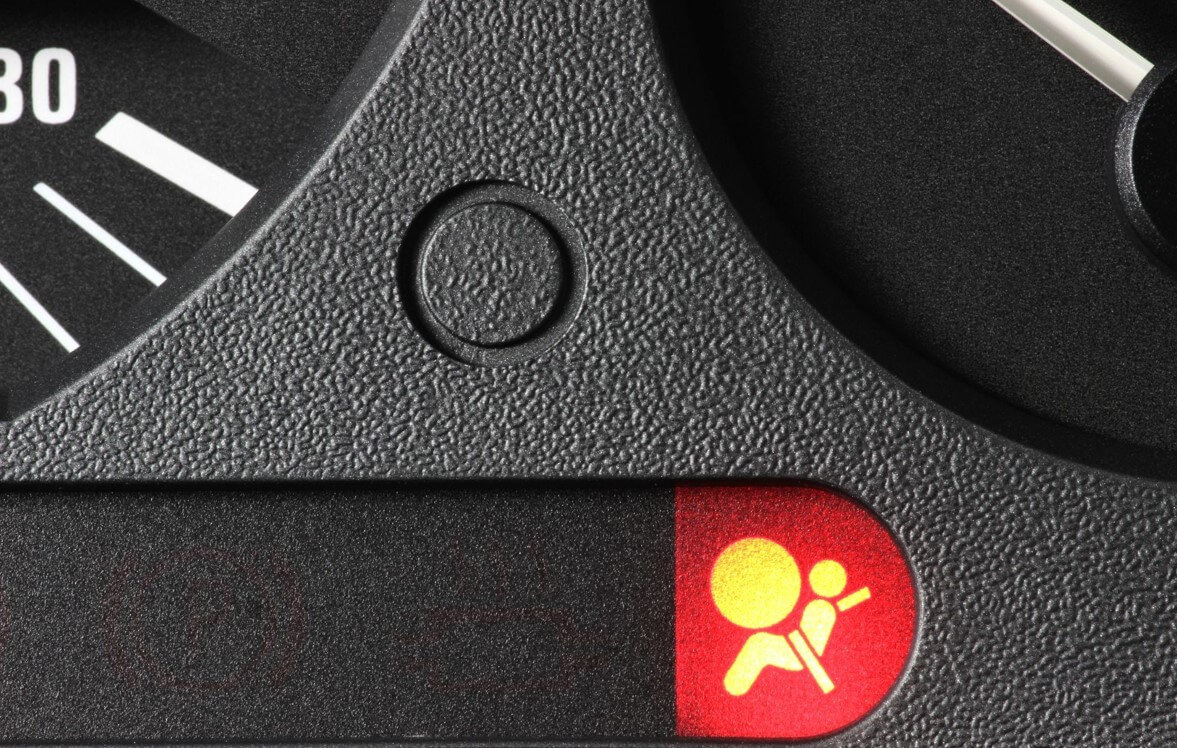
The SRS (airbag system) is the brain of your vehicle’s safety network. If it’s not reset or repaired properly:
- Airbags may not deploy in the next crash
- Warning lights stay on
- The vehicle may fail inspection
Similarly, seat belts are single-use safety devices:
- Once locked or deployed → they must be repaired or replaced
- Internal mechanisms become compromised after impact
How Safety Restore Fits Into the Process
Since 2013, Safety Restore has been a trusted leader in restoring vehicle safety systems across the U.S.

Their Core Services:
Seat Belt Repair & Rebuild
- Fixes locked or blown seat belts
- Restores full functionality and safety
- Retains OEM components whenever possible
SRS Airbag Module Reset
- Removes crash data from the module
- Resets system to factory condition
- Eliminates warning lights and restores deployment capability
Why Rebuilders Trust Safety Restore
1. Cost-Effective Alternative
Replacing seat belts and modules through dealerships can cost thousands. Repairing them professionally saves significant money.
2. OEM-Level Restoration
Safety Restore ensures:
- Factory-level performance
- Compliance with safety standards
- Reliable operation in future incidents
3. Fast Turnaround
Time is money—especially for rebuilders. Their mail-in service keeps projects moving quickly.
4. Proven Experience
With over a decade in the industry (since 2013), they’ve helped restore hundreds of thousands of vehicles safely.
From Salvage to Rebuilt Title
Once repairs are complete:
1. Inspection
The vehicle undergoes a state inspection to verify:
- Roadworthiness
- Proper repairs
- No stolen parts
2. Title Upgrade
If it passes → it receives a rebuilt (or reconstructed) title
Now the car is:
- Legal to drive
- Insurable (though sometimes at different rates)
- Resale-ready
Is Buying a Salvage Car Worth It?
YES — If Done Right
A properly rebuilt salvage vehicle can be:
- Safe
- Reliable
- A great financial decision
NO — If Corners Are Cut
Skipping critical repairs (especially safety systems) can:
- Put lives at risk
- Lead to failed inspections
- Kill resale value
Final Thoughts: Safety Is Not Optional
A salvage title doesn’t mean a vehicle is worthless—it means it needs expert care to return to the road safely.
The difference between a risky rebuild and a smart investment comes down to:
- Quality repairs
- Attention to safety systems
- Using trusted professionals
That’s where Safety Restore makes all the difference—helping rebuilders, shops, and individuals restore what matters most: safety.
Ready to order? Call or TXT (413) 564-1242
Or visit SafetyRestore.com