The Complete 2026 Guide to Buying, Rebuilding, and Profiting from Salvage Vehicles
The salvage vehicle industry is one of the most misunderstood (and most profitable) sectors in automotive. If you know what you’re doing, you can:
• Save thousands rebuilding a car for yourself
• Build a full-time salage car flipping business
• Turn totaled vehicles into reliable, road-safe machines
• Create consistent six-figure margins per year
But if you don’t understand the process (especially SRS airbag systems, title branding, and state inspections) you can lose money fast.
This comprehensive guide breaks down everything you need to know to start a salvage car rebuilding business the right way.
Step 1: Understanding What a “Salvage” Vehicle Actually Is
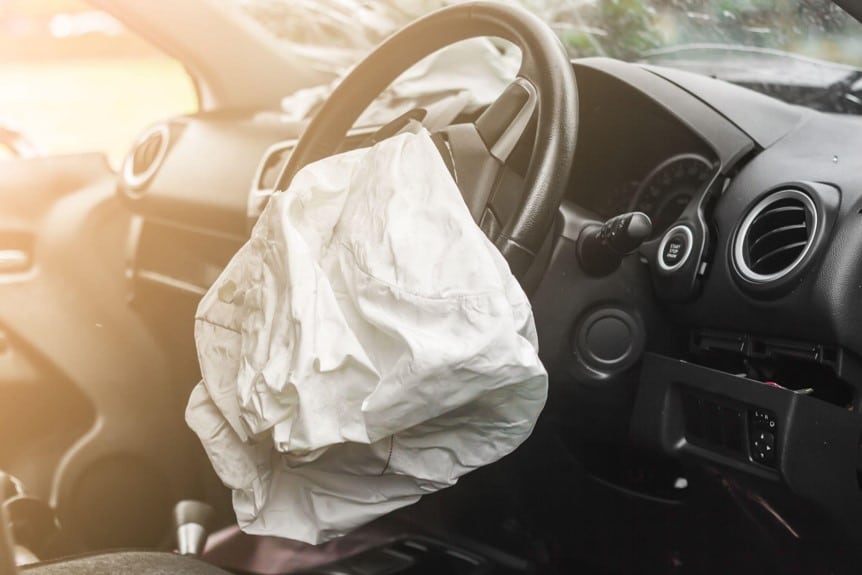
When an insurance company declares a vehicle a total loss, it receives a branded title. But not all branded titles are the same.
Here are the main ones you’ll see:
Salvage Title
Vehicle declared a total loss by insurance due to:
-
Collision damage
-
Flood damage
-
Theft recovery
-
Vandalism
-
Hail
Not road legal until repaired and inspected (in most states).
Rebuilt / Reconstructed Title
Vehicle was previously salvage but:
-
Repaired
-
Passed state inspection (if required)
-
Reissued road-legal title
Parts Only Title
Cannot be registered again. Strictly for dismantling.
Certificate of Destruction
Permanent junk. Cannot be rebuilt.
⚠️ Always verify title status before bidding.
Step 2: Where to Buy Salvage Cars
You cannot just walk into a dealership and buy a fresh total-loss vehicle. Salvage vehicles are primarily sold at auction.
Copart


Insurance Auto Auctions (IAAI)
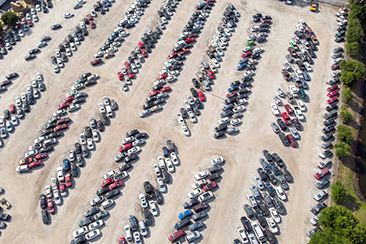
These are the two largest insurance salvage auction platforms in the United States.
Do You Need a Dealer License?
In many states:
-
You need a Dealer License
-
Or a Broker License
-
Or buy through a licensed dealer friend
Some states allow public bidding on select inventory, but most high-quality vehicles require dealer credentials.
💡 Many beginners start by partnering with a licensed dealer who charges a small fee per vehicle.
Step 3: Transportation — Getting the Vehicle Home
Once you win the auction:
Option 1: Hire a transport company
Option 2: Pick it up yourself (if drivable and permitted)
Most auction vehicles:
-
Do NOT run
-
Have deployed airbags
-
Have suspension damage
Budget $300–$1,200 for transport depending on distance.
Step 4: Inspect Before You Repair
Before spending a dollar:
✔ Check frame damage
✔ Check flood indicators
✔ Scan the vehicle
✔ Inspect SRS airbag system
✔ Confirm parts availability
A car with:
-
Frame rail damage
-
Electrical flood damage
-
Multiple deployed airbags
can either be a goldmine or a nightmare.
Step 5: Sourcing Parts Cheaply
To maximize profit, sourcing parts correctly is everything.
Car-Part.com
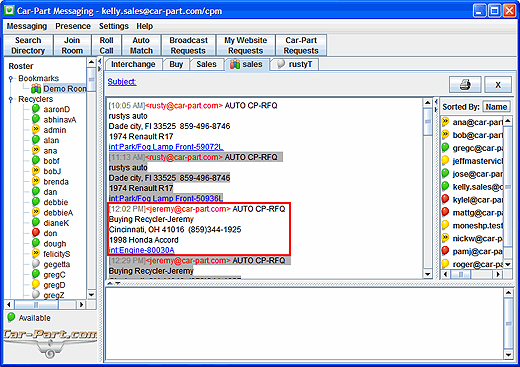


Car-Part.com connects you to junkyards nationwide.
You can source:
-
Doors
-
Bumpers
-
Headlights
-
Fenders
-
Airbags
-
Suspension components
Always:
✔ Match paint codes when possible
✔ Compare OEM vs aftermarket
✔ Inspect VIN compatibility
Step 6: Body Work & Paint
Depending on damage, you’ll need:
• Frame straightening
• Panel replacement
• Paint blending
• Clear coat finishing
If you’re not experienced, partner with:
-
A local body shop
-
Independent painter
-
Frame specialist
Margins depend heavily on keeping paint costs under control.
Step 7: The Most Critical Step: Restoring the SRS System
When a vehicle is totaled, airbags often deploy.
To make the car safe and pass inspection:
✔ Replace deployed airbags
✔ Replace damaged impact sensors
✔ Repair or replace seat belts
✔ Reset or replace the airbag module
This is where most rebuilders fail or cut corners.
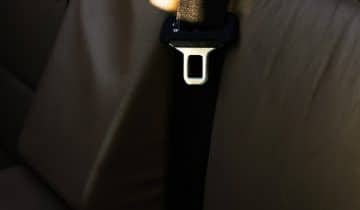
Seat Belts Lock After Deployment
Modern seat belts contain pyrotechnic pretensioners. After an accident, they lock permanently.
They must be:
-
Replaced
-
Or professionally repaired
Airbag Modules Store Crash Data
If not reset, the SRS light will stay on permanently.
Why Professional SRS Restoration Matters
Safety Restore
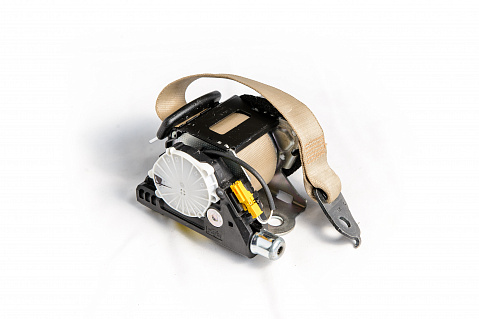
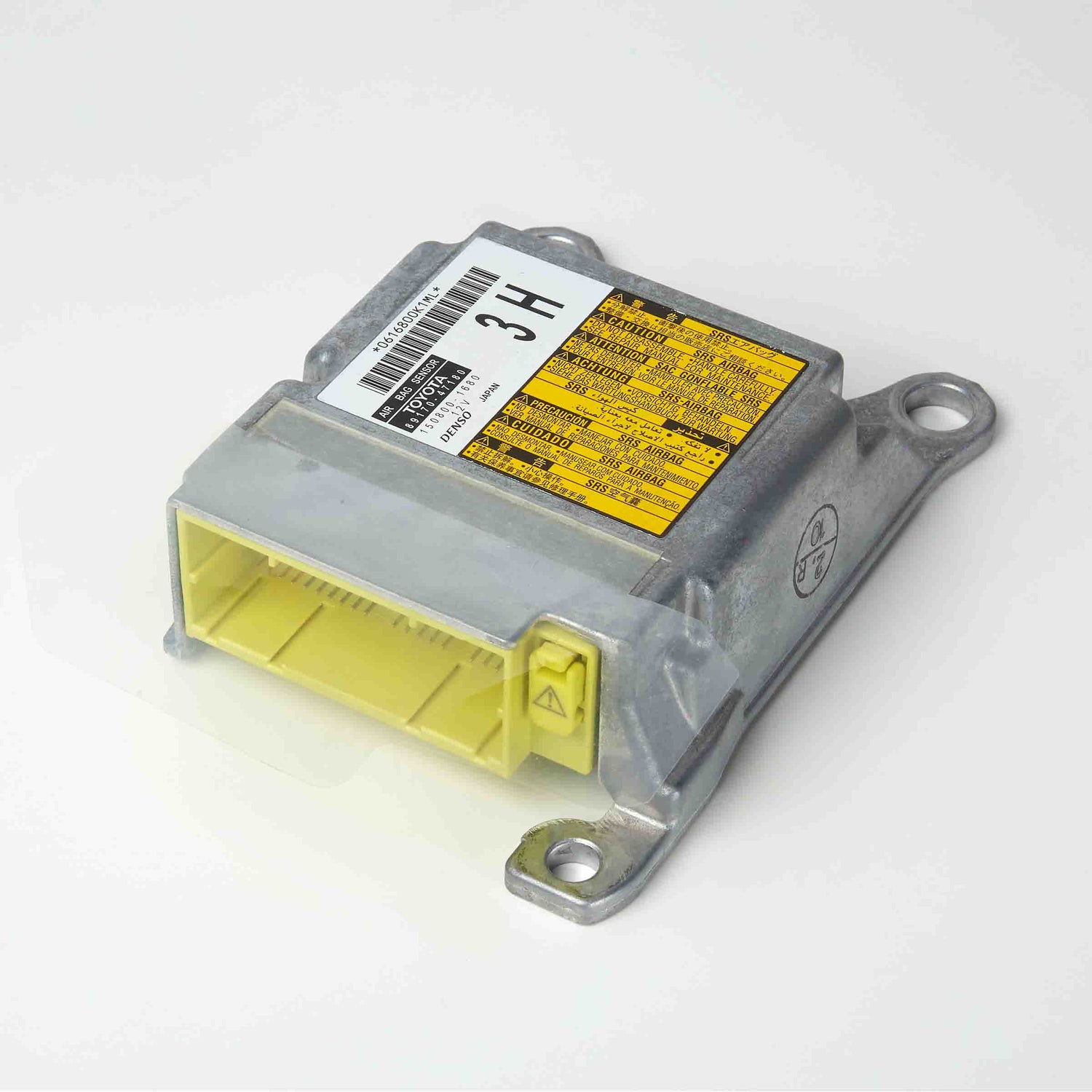
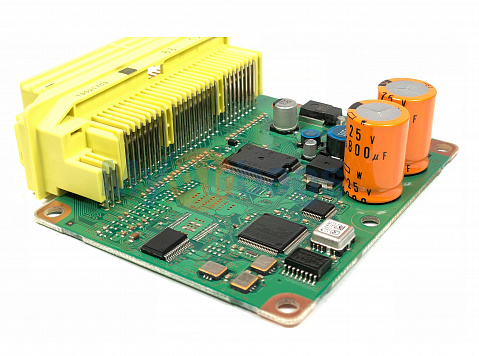
Safety Restore specializes in:
✔ Seat belt repair
✔ Webbing replacement
✔ Pretensioner reset
✔ Airbag module reset
✔ 24-hour turnaround
✔ Lifetime warranty
Since 2013, they’ve helped thousands of rebuilders restore SRS systems safely and affordably.
Instead of paying:
-
$300–$800 per seat belt from dealership
-
$500–$1,500 for new modules
You can restore components professionally for a fraction of the cost.
For salvage rebuilders, this alone can mean:
$1,000–$3,000 saved per vehicle.
Visit SafetyRestore.com or call/text 413-564-1242

Step 8: State Salvage Inspections
After repairs are complete, many states require:
✔ Salvage inspection
✔ VIN verification
✔ Receipt documentation
✔ Proof of repairs
KEEP ALL RECEIPTS
This is critical.
You must prove:
-
Parts were legally sourced
-
Airbags were replaced
-
Repairs were completed properly
States That Require Salvage Inspections
Most states require inspection before issuing rebuilt title, including:
• Florida
• Texas
• California
• New York
• Pennsylvania
• Illinois
• Georgia
Some states are less strict or allow easier conversions, including:
• Vermont
• Mississippi
• Alabama (varies by damage type)
⚠ Always check DMV requirements before buying.
Title Branding Differences by State
State branding varies:
-
“Rebuilt Salvage”
-
“Prior Salvage”
-
“Reconstructed”
-
“Restored”
-
“Flood”
-
“Hail”
-
“Theft Recovery”
The brand affects resale value.
How Much Money Can You Save Rebuilding for Yourself?
Example:
2022 SUV retail value: $28,000
Buy salvage for: $12,000
Repairs: $6,000
SRS restoration: $800
Total investment: $18,800
Savings: ~$9,000
Even with rebuilt title value at 10–20% lower than clean title, you still win.
How to Profit Flipping Salvage Cars
Average flip breakdown:
Purchase: $8,000
Repairs: $4,000
SRS restoration: $700
Transport & fees: $1,000
Total: $13,700
Resale (rebuilt title): $18,000
Profit: ~$4,300
Scale this to:
2 cars per month = $8,000+ monthly profit
Biggest Mistakes Beginners Make
❌ Ignoring frame damage
❌ Not calculating auction fees
❌ Forgetting storage fees
❌ Not resetting airbag module
❌ Failing state inspection due to missing receipts
❌ Buying flood cars without electrical knowledge
Advanced Strategy: Target Cosmetic Damage
Best vehicles to buy:
✔ Theft recovery (minimal damage)
✔ Hail damage
✔ Light front-end damage
✔ Low airbag deployment vehicles
Avoid:
❌ Deep flood
❌ Structural rail collapse
❌ Fire damage
Scaling Into a Full Business
To go pro:
• Get dealer license
• Secure small repair warehouse
• Build body shop partnerships
• Use Safety Restore for consistent SRS restoration
• Track every cost
• Rotate inventory fast
Fast turns = higher ROI.
Final Thoughts
Salvage rebuilding is not about cutting corners.
It’s about:
• Smart buying
• Strategic repairs
• Professional SRS restoration
• Following state laws
• Protecting end drivers
If done correctly, it can:
-
Save you thousands personally
-
Generate serious profit
-
Build a long-term automotive business
And when it comes to restoring the most critical safety components (your airbags and seat belts) trust the professionals at Safety Restore.
Visit: https://www.safetyrestore.com
Because rebuilding a vehicle is one thing.
Rebuilding it safely is everything.