- What Safety Restore Actually Does
- The 250,000-Customer Number: What It Actually Means
- What Customers Say Most Often
- What the BBB Accreditation Tells You
- How It Compares to the Alternatives
- The Lifetime Warranty
- Who Uses Safety Restore
- What to Know Before You Ship
- The Bottom Line
- Frequently Asked Questions
If your seat belt locked up after an accident, or your SRS warning light came on and a dealer quoted you $800 to fix it, you’ve probably already come across Safety Restore. And you’re probably wondering: is this actually legit?
That’s a reasonable thing to ask. Mailing a safety-critical component to a company you found online requires some trust. This review covers what the service is, what more than 250,000 customers have experienced, and how it stacks up against your other options.
What Safety Restore Actually Does
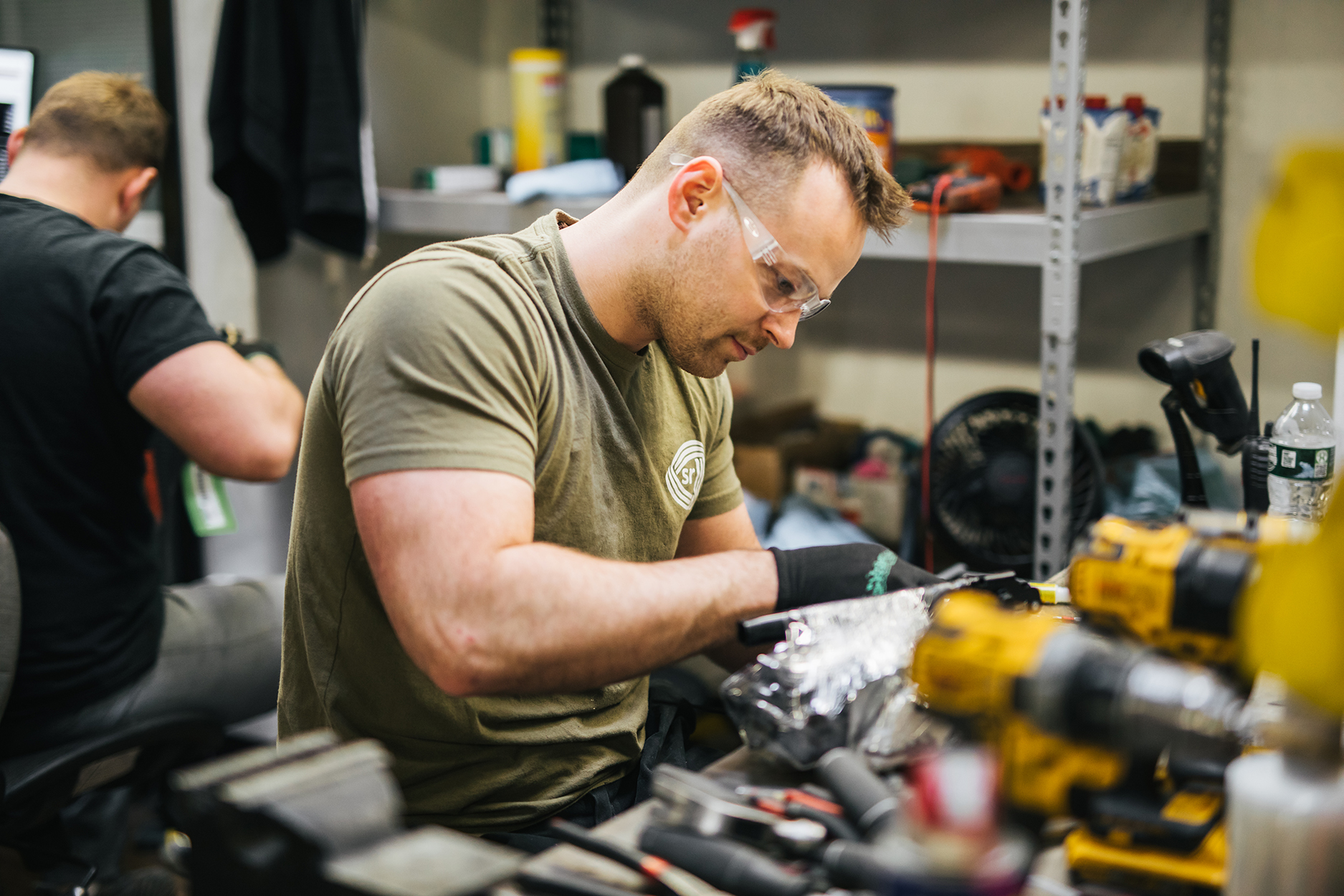
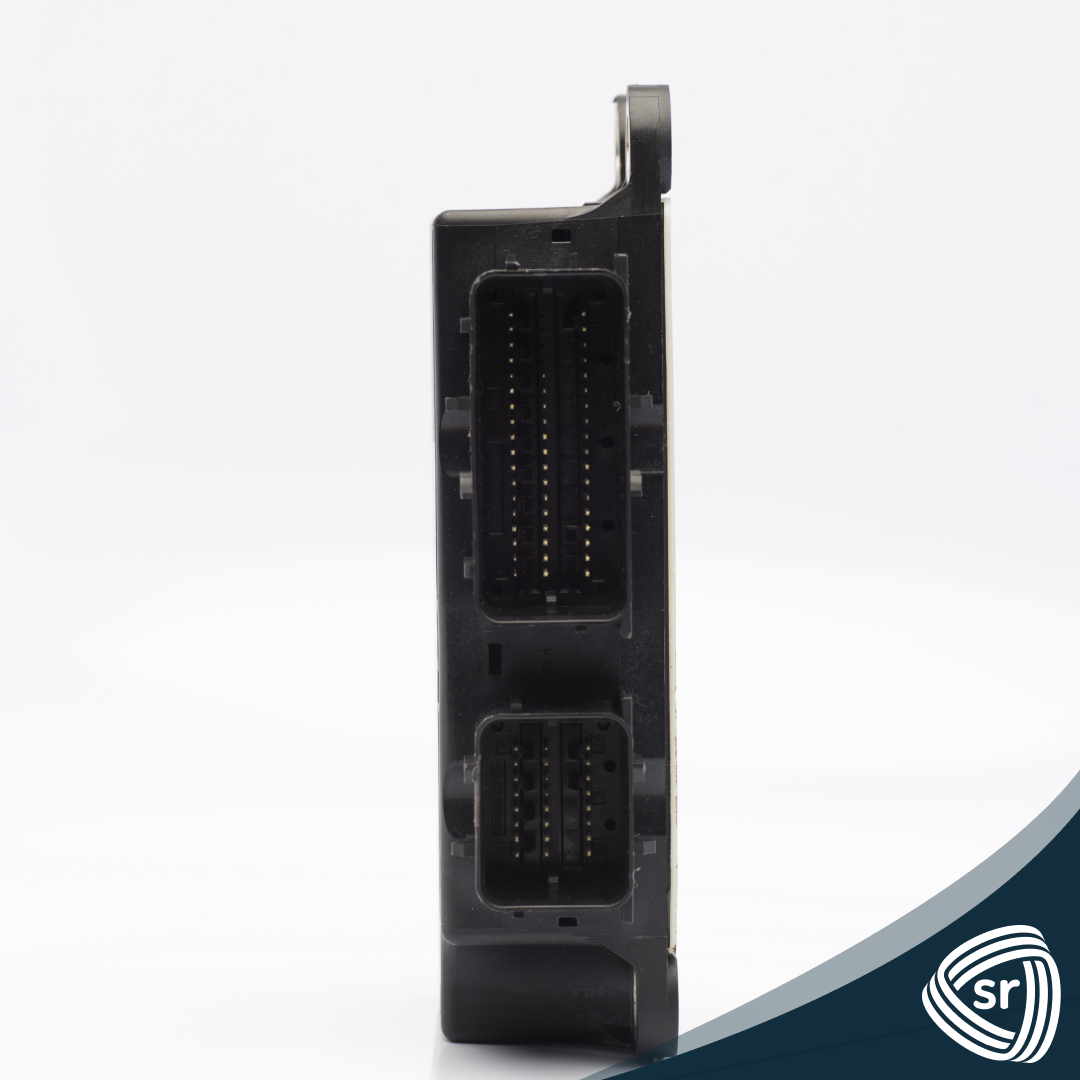
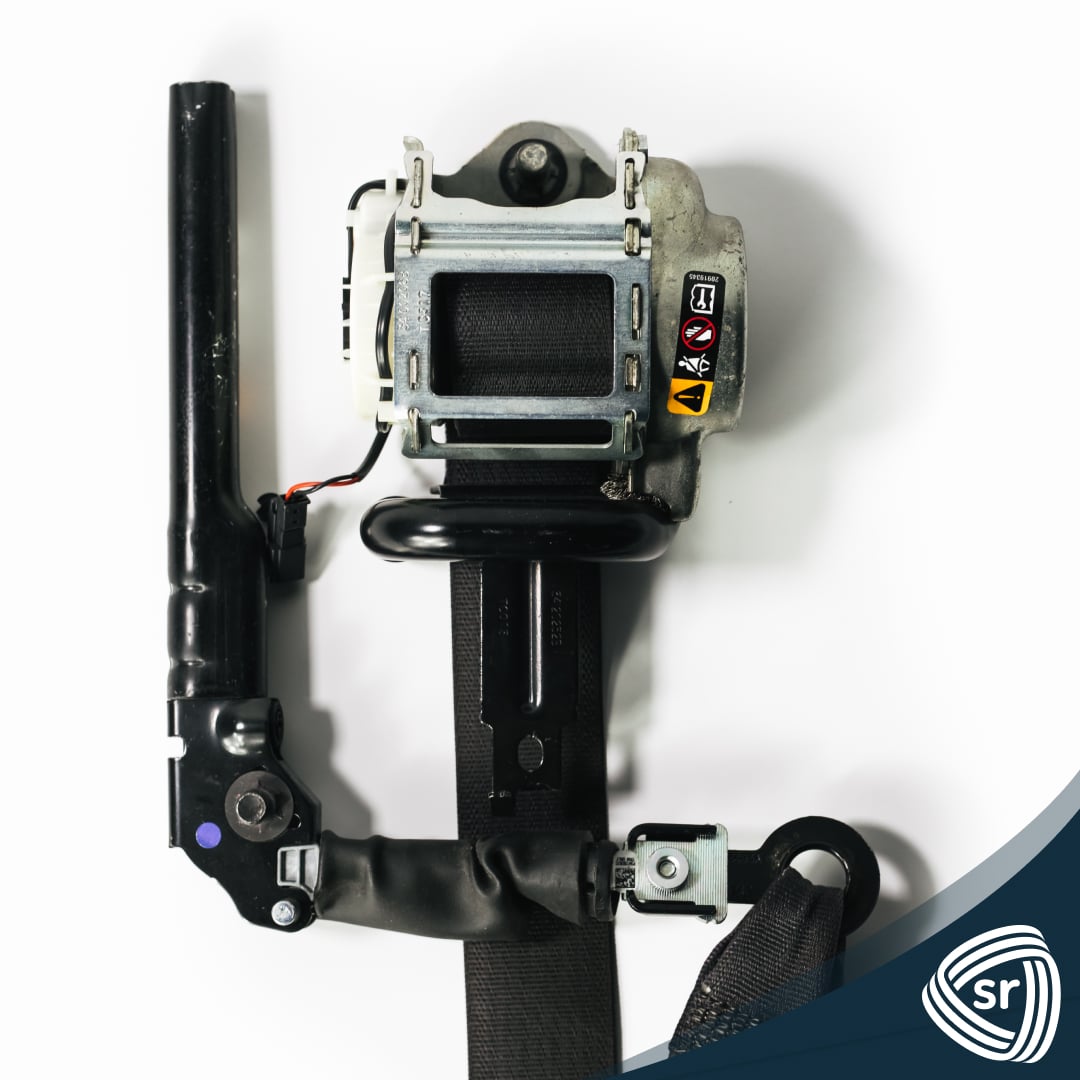
Safety Restore is a mail-in repair service for seat belt pretensioners and SRS airbag modules. You remove the part from your vehicle, ship it to them, they repair or reset it using 100% OEM parts and OEM programming, and ship it back. No appointment. No drop-off. No waiting at a shop.
The service covers every vehicle make and model. Whether you drive a 2009 Honda Civic or a 2024 Ford F-150, the process and the price are identical.
Every repair is $99. Flat. That covers any seat belt repair, any SRS airbag module reset, and any color seat belt webbing replacement — no stages, no tiers, no surprise fees at checkout.
The 250,000-Customer Number: What It Actually Means

Safety Restore has been operating since 2013. Over those 13 years, more than 250,000 customers have used the service. That’s not a marketing estimate — it’s a cumulative figure built across well over a decade of mail-in repairs.
For a niche service that most people only need once, that volume is significant. It means the company has worked through a wide range of vehicle types, accident scenarios, and module configurations. A 2016 Jeep Grand Cherokee with a dual-stage pretensioner after a rear-end collision. A salvage-title BMW with a blown airbag module. A dog-chewed seat belt on a 2020 Tacoma. The variety is part of what makes the number meaningful.
Across that customer base, the feedback keeps pointing to the same things: the repair worked, the turnaround was fast, and the price was exactly what was advertised.
What Customers Say Most Often
The Price Held
The most common positive note is also the simplest: the $99 price was the $99 price. No one called with an upcharge after receiving the part. No hidden diagnostic fee. No “this one’s a triple-stage so it costs more.” The flat rate is the actual rate — and customers who arrived expecting a bait-and-switch were consistently surprised when it didn’t happen.
That matters because the alternative is a dealer or body shop quoting $300 to $800-plus for a seat belt replacement, or $1,000 to $6,000-plus for airbag system work. The gap between those numbers and $99 is wide enough that skepticism is the natural starting point. The reviews reflect real relief when that skepticism turns out to be unwarranted.
The 24-Hour Turnaround Is Real
Safety Restore advertises a 24-hour turnaround on all repairs and resets. Customers consistently confirm it. The part goes out, it comes back quickly, and the repair is done.
One thing worth noting: the 24-hour window applies to the repair itself, not the total round-trip. How long the whole process takes depends on how fast you ship and which carrier you use. But the repair side is genuinely fast.
It Worked the First Time
A meaningful share of Safety Restore’s customers arrive after a failed repair somewhere else. They paid another service, got the part back, and the SRS light came on again. Or the seat belt still wouldn’t retract. Then they found Safety Restore.
The company’s secondary positioning — “Don’t Pay Twice. Get It Done Right the First Time” — speaks directly to this group. Reviews from these customers tend to be the most emphatic, because they’d already been burned once and came in wary.
OEM Parts, Not Aftermarket
Customers who care about what goes into their vehicle notice this. Safety Restore uses 100% OEM parts and OEM programming on every repair. No refurbished components, no aftermarket substitutions. For a safety system that deploys in a fraction of a second during a collision, that distinction is worth paying attention to.
What the BBB Accreditation Tells You
Safety Restore holds a BBB A+ accreditation, confirmed as of June 2026. For a mail-in service where you’re shipping a part and waiting to get it back, third-party business verification is one of the more useful trust signals available.
The A+ rating reflects how the company handles complaints, responds to customers, and maintains its business practices over time. It’s not a guarantee of a perfect experience for every single customer, but it is a meaningful indicator of how the company operates at scale.
How It Compares to the Alternatives
Dealer or Body Shop
The math is straightforward. A dealer charges $300 to $800-plus for a seat belt replacement. Full airbag system work runs $1,000 to $6,000-plus. Safety Restore charges $99 for either. If the repair holds, you’ve saved hundreds of dollars.
Other Mail-In Services
A few other mail-in services operate in this space. Pricing and positioning vary. Some start lower but don’t carry the same trust infrastructure. Some have longer turnarounds. Some aren’t fully mail-in and require in-person visits for certain services.
What sets Safety Restore apart is the combination: flat pricing with no tiers, BBB A+ accreditation, OEM-only parts, and a lifetime warranty on every service. Each of those individually isn’t unusual. All four together, at $99, is the actual differentiator.
Doing Nothing
Some customers delay because they assume the SRS light is cosmetic, or because they’re waiting until the situation feels more urgent. To be direct about it: a locked seat belt pretensioner won’t retract or tension properly in a collision. A blown airbag module means your airbags won’t deploy. These aren’t dashboard annoyances — they’re functional safety failures.
The Lifetime Warranty
Every service Safety Restore performs carries a lifetime warranty. If the repair fails, they stand behind it. For a $99 service on a safety-critical component, that’s a meaningful commitment.
It also signals something about the quality of the work. A company offering a lifetime warranty on every job has a direct financial incentive to do it right the first time. That alignment between warranty and workmanship is part of why repeat failure rates in the customer feedback are low.
Who Uses Safety Restore
The typical customer is an individual vehicle owner dealing with a recent accident, a failed inspection, or a salvage or rebuilt-title vehicle that needs its safety systems restored before it can be driven or resold.
But a notable portion of customers are salvage dealers, independent shops, and resellers shipping multiple units. For that group, the flat $99 rate and 24-hour turnaround make the economics simple. No negotiating on price per unit. No waiting a week per repair. Same service, same price, every time.
What to Know Before You Ship
A few practical points that come up consistently:
- You remove the part yourself and ship it. Safety Restore does not offer pickup or drop-off.
- Return shipping is not included. You pay to ship the part to them; they ship it back, but that return shipping is not free.
- The 24-hour turnaround starts when they receive the part, not when you drop it off with a carrier.
- The service covers all makes, models, and years. No need to call ahead to confirm compatibility.
- Payment is processed through Stripe at checkout. Live chat and SMS support are available if you have questions before ordering.
The Bottom Line
Safety Restore has served more than 250,000 customers since 2013 with a service that doesn’t overcomplicate itself: mail in your seat belt or airbag module, get it back repaired with OEM parts, pay $99, and it’s covered for life.
The feedback built up over that time points to a service that does what it says. The price holds. The turnaround is fast. The repairs work. And customers who arrive after a failed repair somewhere else tend to have the same experience as everyone else.
If you’re weighing a $99 mail-in repair against a $600 dealer quote, the decision usually comes down to trust. The BBB A+ accreditation, the 250,000-customer track record, and the lifetime warranty are the three things that answer that question most directly.
You can review the full service offering and add your repair to cart at safetyrestore.com.
Frequently Asked Questions
Is Safety Restore a legitimate company?
Yes. Safety Restore has been operating since 2013, holds a BBB A+ accreditation confirmed as of June 2026, and has served more than 250,000 customers. It is a mail-in automotive safety repair service based in the United States.
How much does Safety Restore charge?
Every service is a flat $99. This covers any seat belt repair, any SRS airbag module reset, and any color seat belt webbing replacement, regardless of vehicle make, model, or year. No tiers, no stages, no additional fees.
How long does the repair take?
Safety Restore completes all repairs and resets within 24 hours of receiving the part. Total turnaround time depends on shipping speed in both directions, but the repair itself is done within one business day.
Does Safety Restore offer a warranty?
Yes. Every service comes with a lifetime warranty. If the repair fails, Safety Restore stands behind it.
What parts does Safety Restore use?
Safety Restore uses 100% OEM parts and OEM programming on every repair. No aftermarket or refurbished components.
Can Safety Restore fix my specific vehicle?
The service is compatible with all vehicle makes and models. You don’t need to call ahead to confirm compatibility.
What if I already paid for a repair elsewhere and it didn’t work?
Safety Restore regularly handles repairs that failed at other shops or services. The flat $99 rate applies regardless of prior repair history. Ship the part, get it repaired with OEM parts, and it’s covered by a lifetime warranty — same as any other customer.