- Why a Post-Crash Inspection Is Different From a Routine Check
- The 12-Point Car Inspection Checklist After a Crash
- What to Do When You Find a Problem
- Before You Drive: A Quick Pre-Drive Confirmation
- FAQs
A crash changes your car in ways that aren’t always visible from the outside. Even a low-speed collision can trigger sensors, lock seat belt pretensioners, corrupt module data, or leave structural components slightly out of alignment. Working through a thorough car inspection checklist before you get back on the road isn’t optional — it’s the difference between driving a safe vehicle and driving one that only looks safe.
Here are 12 specific safety systems to inspect after any collision, from the obvious to the ones most people skip entirely.
Why a Post-Crash Inspection Is Different From a Routine Check
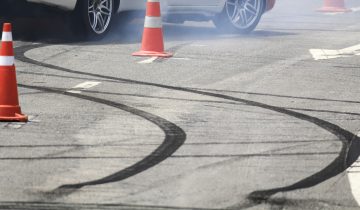
A standard pre-trip check looks for wear and low fluids. A post-crash inspection looks for damage caused by a sudden, violent event — forces that stress components in ways normal driving never does.
Airbag modules store crash data even when the bags don’t deploy. Seat belts lock under impact and stay locked. Suspension geometry can shift a few millimeters and still cause a tire to wear unevenly or pull under braking. None of these problems announce themselves with a warning light right away.
The goal is to go system by system — not just glance at the car and decide it looks fine.
The 12-Point Car Inspection Checklist After a Crash
1. Seat Belts
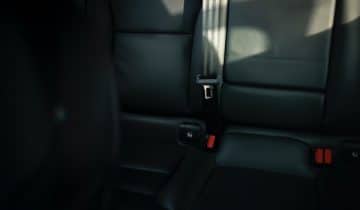
This is the most commonly missed item on any post-crash car inspection checklist. Seat belt pretensioners fire during a collision to lock the belt tight against your body. Once fired, the pretensioner is spent — the belt will feel stiff, won’t retract properly, or will lock up the moment you pull it.
Check every belt in the car, not just the ones that were occupied. Pull each belt fully out and let it retract. If it sticks, jerks, or won’t extend smoothly, the pretensioner has likely activated and needs to be repaired before that seat is safe to use again.
Safety Restore’s seat belt repair service handles exactly this. You mail in the locked belt, it’s rebuilt with OEM parts, and it’s back in your hands within 24 hours — backed by a lifetime warranty.
2. SRS Airbag Control Module
Even if your airbags didn’t deploy, the SRS module recorded the crash. That stored data puts the module in a hard fault state, meaning it won’t arm the airbags for a future collision. The airbag warning light may or may not come on right away.
An SRS module reset clears the crash data and restores the module to factory condition. This is not the same as clearing a code with an OBD-II scanner — that only erases the fault code, not the underlying stored crash data. The module needs to be properly reset or replaced.
3. Deployed Airbags
If any airbag deployed, the entire system in that zone is compromised. The bag is single-use, the inflator is spent, and the clock spring or wiring harness connected to it may have been damaged by the deployment force.
All deployed airbags need to be replaced with new units — not refurbished ones. Depending on your vehicle’s configuration, check the steering wheel, dashboard, side curtains, and knee bolsters.
4. Structural Frame and Unibody
Modern vehicles use crumple zones designed to absorb impact by deforming in controlled ways. That deformation is intentional — but it means the frame or unibody may be bent even after a relatively minor hit.
Look for uneven panel gaps, doors that don’t close flush, or a hood that sits slightly crooked. A frame measurement at a body shop will confirm whether the unibody is within spec. Driving on a bent frame affects handling, crash performance, and long-term alignment.
5. Steering and Alignment
A direct hit to a wheel — even a curb strike at moderate speed — can knock alignment out of spec and bend a tie rod, control arm, or steering rack. After a crash, have the alignment checked on a four-wheel alignment rack, not just estimated visually.
Signs of a problem include the steering wheel sitting off-center when driving straight, the car pulling to one side, or uneven tire wear that shows up within a few hundred miles.
6. Suspension Components
Suspension parts handle road impact constantly, but they’re not built to absorb lateral or diagonal crash forces. Inspect struts, shocks, control arms, ball joints, and sway bar links for bending, cracking, or fluid leaks.
A bent control arm or cracked strut mount can fail suddenly under load. Visual inspection alone isn’t enough here — a mechanic needs to put the vehicle on a lift and check for play or deformation in each component.
7. Tires and Wheels
Wheel rims can crack or bend from impact without showing obvious external damage. Run your hand around the inside of each rim feeling for cracks, and check tire sidewalls for flat spots or bulges.
A tire that took a hard hit may have internal structural damage that doesn’t show until it fails at highway speed. If there’s any doubt, replace it. Also check tire pressure — impact can cause slow leaks that take hours to become noticeable.
8. Brake System
Inspect brake lines and hoses for leaks, cracks, or kinking caused by impact or shifted components. Check the brake fluid reservoir — a sudden drop can indicate a breach in the hydraulic system.
Test the brakes at low speed in a safe area before returning to normal driving. The pedal should feel firm and consistent. A spongy pedal, pulling to one side under braking, or grinding sounds are all reasons to stop driving until a professional takes a look.
9. Fuel System
Fuel lines, the tank, and the filler neck are vulnerable in rear-end and side collisions. Check for the smell of fuel under the car or in the cabin, and look for wet spots near the tank or along the undercarriage.
Many vehicles have an inertia switch that cuts fuel pump power after a collision — check your owner’s manual for its location and reset it if needed. If you smell fuel at any point, don’t start the car.
10. Electrical System and Wiring Harness
Crash forces can pull connectors loose, pinch wiring harnesses, or crack circuit boards inside control modules. After a collision, watch for warning lights that weren’t there before, accessories that stopped working, or intermittent electrical behavior.
Pay close attention to wiring around any area that took direct impact. Damaged wiring can cause sensor faults, disable safety systems, or create a fire risk if a bare wire contacts metal.
11. Cooling System and Radiator
Front-end collisions frequently damage the radiator, coolant lines, or the radiator support. A small crack may not leak immediately — heat and pressure during driving will make it worse.
Check the coolant level and look for puddles under the front of the car after it’s been sitting. Watch the temperature gauge closely on the first drive. Overheating after a collision almost always points to a cooling system breach that wasn’t obvious at first glance.
12. Lights and Sensors
Headlights, taillights, turn signals, and reverse lights are the obvious ones. But also check the sensors embedded in bumpers and body panels — parking sensors, radar units for adaptive cruise control, and cameras for lane keeping or blind spot monitoring.
These sensors are calibrated to specific positions. Even if the bumper looks fine after being pushed back into place, the sensor behind it may be misaligned. A sensor that’s off by a few degrees can give false readings or miss objects entirely.
What to Do When You Find a Problem
Some items on this list — a cracked rim, a leaking brake line — require immediate professional repair before the car moves. Others, like a locked seat belt or a stored SRS fault, can be addressed through a mail-in repair service while the car sits.
For seat belts and SRS modules, Safety Restore offers flat-rate $99 repairs covering all makes and models. You ship the part, it’s repaired or reset using 100% OEM parts and programming, and it’s back to you within 24 hours — no dealer markup, no waiting weeks for a shop appointment, and every repair is backed by a lifetime warranty. Learn more at safetyrestore.com.
Before You Drive: A Quick Pre-Drive Confirmation
Once you’ve worked through the full checklist, run through these final checks before the first post-repair drive:
- All warning lights are off with the engine running
- Seat belts in every occupied seat extend, retract, and latch normally
- Steering wheel is centered when driving straight
- Brakes feel firm and the car stops straight
- No fuel smell inside or outside the vehicle
- All lights and signals are functional
If anything on that list isn’t right, the car isn’t ready.
FAQs
Can I drive my car after a minor fender bender if it looks fine?
Visually minor damage doesn’t mean the safety systems are intact. The SRS module may have stored crash data, seat belt pretensioners may have fired, and alignment or suspension components may be out of spec. A proper inspection is worth doing even after low-speed collisions.
How do I know if my seat belt pretensioner fired?
A fired pretensioner usually makes the belt feel stiff, prevents it from extending smoothly, or causes it to lock immediately when pulled. The belt may also sit differently in the retractor housing. If it doesn’t move the way it did before the crash, the pretensioner likely activated.
Does an airbag warning light always come on after a crash?
Not always. The SRS module stores crash data whether or not the light activates immediately. Some vehicles flag it right away; others don’t show the fault until the ignition cycles a certain number of times. A clear warning light doesn’t mean the module is clean.
Can I reset the SRS module myself with an OBD-II scanner?
A scanner can clear the fault code, but it can’t clear the crash data stored inside the module. The module needs to be properly reset or replaced to restore airbag functionality. Clearing the code without addressing the stored data leaves the airbags non-functional.
How long does a mail-in seat belt repair typically take?
Safety Restore typically returns repaired seat belts within 24 hours of receiving them. Shipping time depends on your location and carrier, but the repair turnaround is fast enough that most customers have their belts back within a few days of dropping them in the mail.
Is it safe to drive with a deployed airbag that hasn’t been replaced?
No. A deployed airbag offers no protection in a subsequent collision. The inflator is spent, the bag is torn, and the SRS module is in a fault state that can prevent other airbags from deploying correctly. The entire affected zone needs to be restored before the vehicle is safe.
What’s the most overlooked item on a post-crash inspection checklist?
The SRS airbag module and seat belt pretensioners — consistently. They’re hidden from view, may not trigger obvious warning signs right away, and are often skipped by shops focused on visible body damage. Both are critical to crash protection and both need to be verified after any collision.