If Airbags Deploy Is the Car Totaled? How to Tell and What Your Options Are
- What “Totaled” Actually Means
- Why Airbag Deployment Raises the Repair Bill
- Signs Your Car Is Likely to Be Totaled
- Signs Your Car Is Probably Repairable
- What Happens If the Car Is Totaled
- What Happens If the Car Is Repairable
- The Seat Belt Problem Most People Miss
- The SRS Warning Light After an Accident
- If You’re Buying a Salvage or Rebuilt-Title Vehicle
- Frequently Asked Questions
Your airbags just went off. The car is sitting in the driveway, the dashboard looks like it lost a fight, and you’re wondering if the whole thing is done. It’s a reasonable question — and the answer is more nuanced than most people expect.
Deployed airbags don’t automatically mean a totaled car. Whether your vehicle gets written off comes down to the math your insurance company runs, not the airbags alone. Here’s how that works, what “totaled” actually means, and what your real options look like once the dust settles.
What “Totaled” Actually Means
Insurance companies use something called the total loss threshold. When the estimated repair cost exceeds a set percentage of your vehicle’s actual cash value (ACV), the insurer declares it a total loss rather than paying to fix it.
That threshold varies by state, typically landing somewhere between 70% and 100% of the car’s pre-accident value. A vehicle worth $8,000 with $6,500 in estimated repairs can cross that line quickly.
Airbag deployment drives repair costs up significantly — but the car’s value is the other half of the equation. A newer vehicle with strong ACV is far less likely to be totaled than an older one with low market value, even when the damage looks comparable.
Why Airbag Deployment Raises the Repair Bill
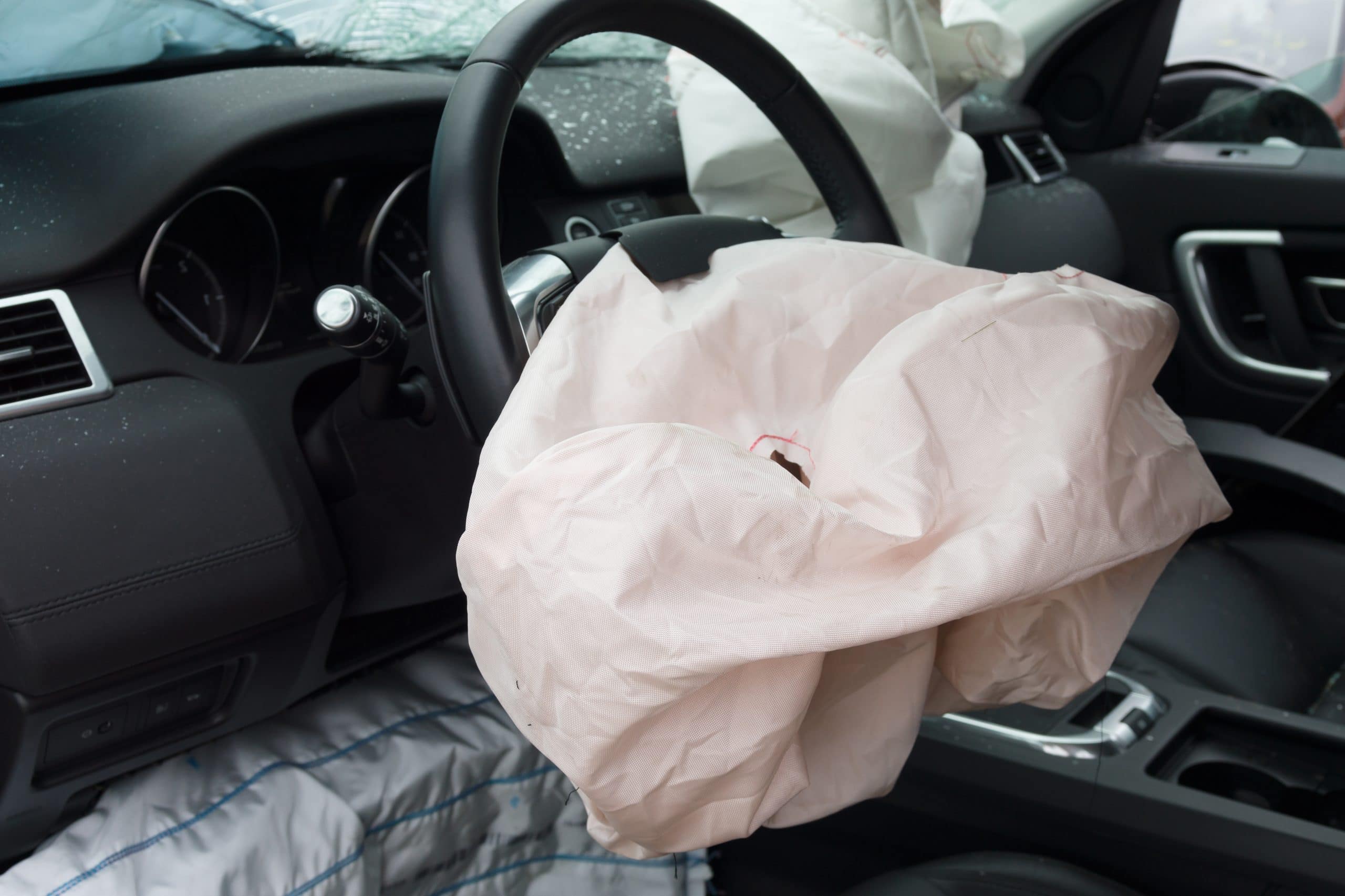
When airbags go off, several things happen simultaneously, and all of them cost money:
- The airbag modules themselves need to be replaced or reset
- Seat belt pretensioners fire at the same moment, locking the belts and rendering them non-functional
- The SRS airbag control module stores crash data and throws fault codes that prevent the system from arming again
- Physical damage to the dashboard, steering column, and trim panels adds labor and parts on top of everything else
A dealer will quote $1,000 to $6,000 or more just for airbag system work — before bodywork even enters the picture. That’s the number that often pushes a borderline car over the total loss threshold.
Signs Your Car Is Likely to Be Totaled
Your insurer makes the final call, but these factors push a vehicle toward total loss status:
- The car is older with a lower ACV (under $6,000 to $8,000)
- Structural damage is present — bent frame rails, compromised crumple zones
- Multiple airbags deployed (side curtain, knee bolsters, passenger, driver)
- The body shop estimate is already near or above the vehicle’s value
- Your state uses a low total loss threshold (some states set it at 70%)
Signs Your Car Is Probably Repairable
On the other side, these factors suggest the car survives the math:
- The vehicle has strong market value — newer model, low miles, good condition
- Only one or two airbags deployed
- Structural damage is minimal or absent
- The collision was moderate speed with a contained impact zone
A 2022 SUV worth $22,000 that deployed its driver airbag in a parking lot is almost certainly repairable. A 2009 sedan worth $4,500 that deployed four airbags on the highway probably isn’t.
What Happens If the Car Is Totaled
If your insurer declares a total loss, you have a few paths forward.
Accept the settlement. The insurer pays you the ACV minus your deductible. You sign over the title and move on.
Retain the salvage title. In many states, you can keep the car after a total loss declaration and receive a reduced payout. The vehicle gets a salvage title, and you’ll need to repair it and pass a state inspection to get a rebuilt title before driving it legally.
Dispute the ACV. If you think the insurer undervalued your car, you can negotiate or request an independent appraisal. Pull comparable listings in your area and use them to support your case.
What Happens If the Car Is Repairable
This is where most people get caught off guard by the actual cost breakdown. Body damage is one line item. Safety system restoration is another — and it’s often where the real money goes.
After a collision, your SRS system typically has three components that need attention:
- Deployed airbags must be physically replaced (new bag, new inflator)
- Seat belt pretensioners lock permanently after firing and need to be repaired or replaced
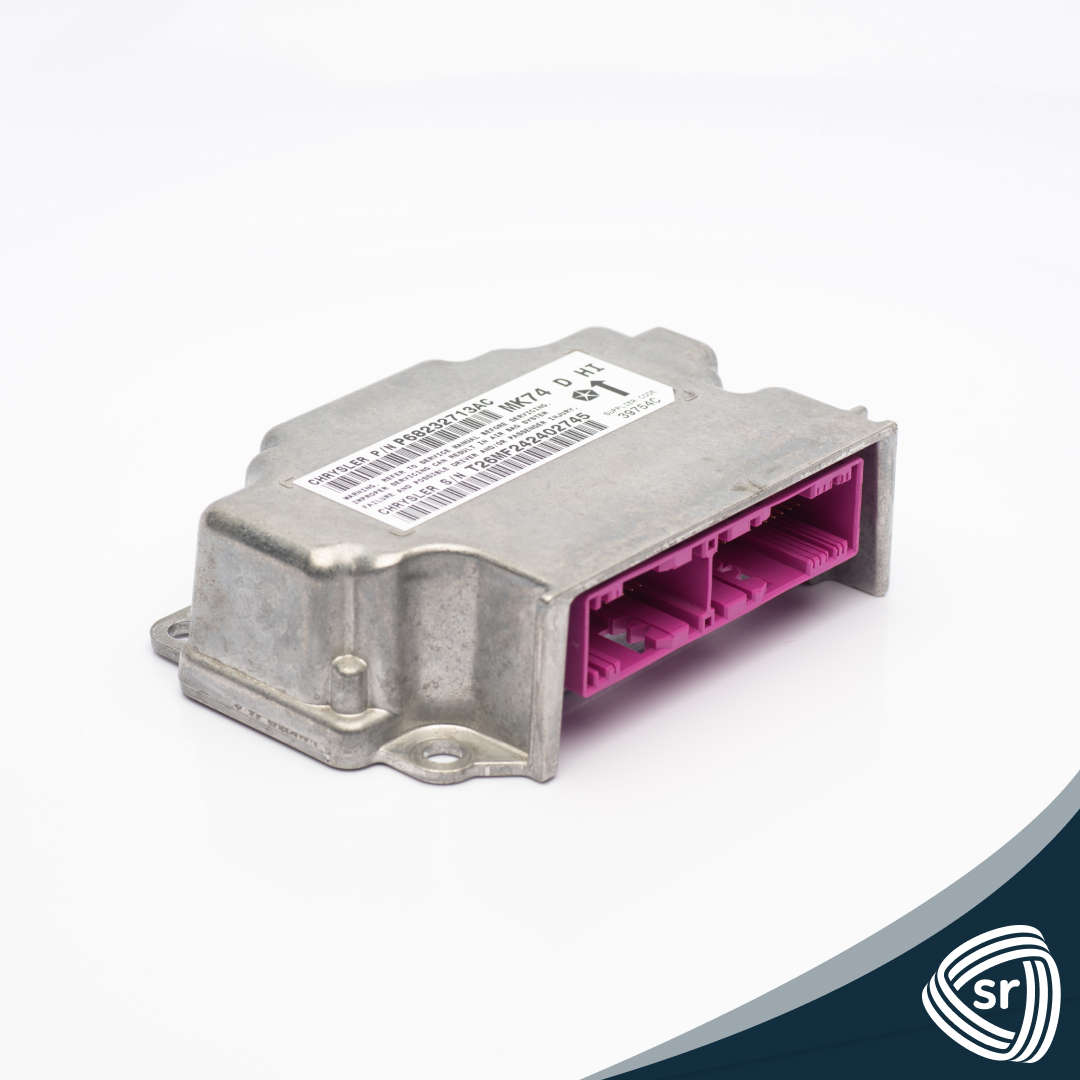
- The SRS airbag module stores crash data and must be reset before the system will arm again
Dealers charge $300 to $800 or more per seat belt and $1,000 to $6,000 or more for the full airbag system. That’s the quote that makes people panic — and understandably so.
There’s a much cheaper path. Safety Restore repairs locked seat belt pretensioners starting at $69.97 and resets SRS airbag modules for $54.97, using 100% OEM parts and programming on every service. You ship the parts, they repair them and ship them back within 24 hours, with free return shipping included. That’s up to 90% less than dealer pricing.
The Seat Belt Problem Most People Miss
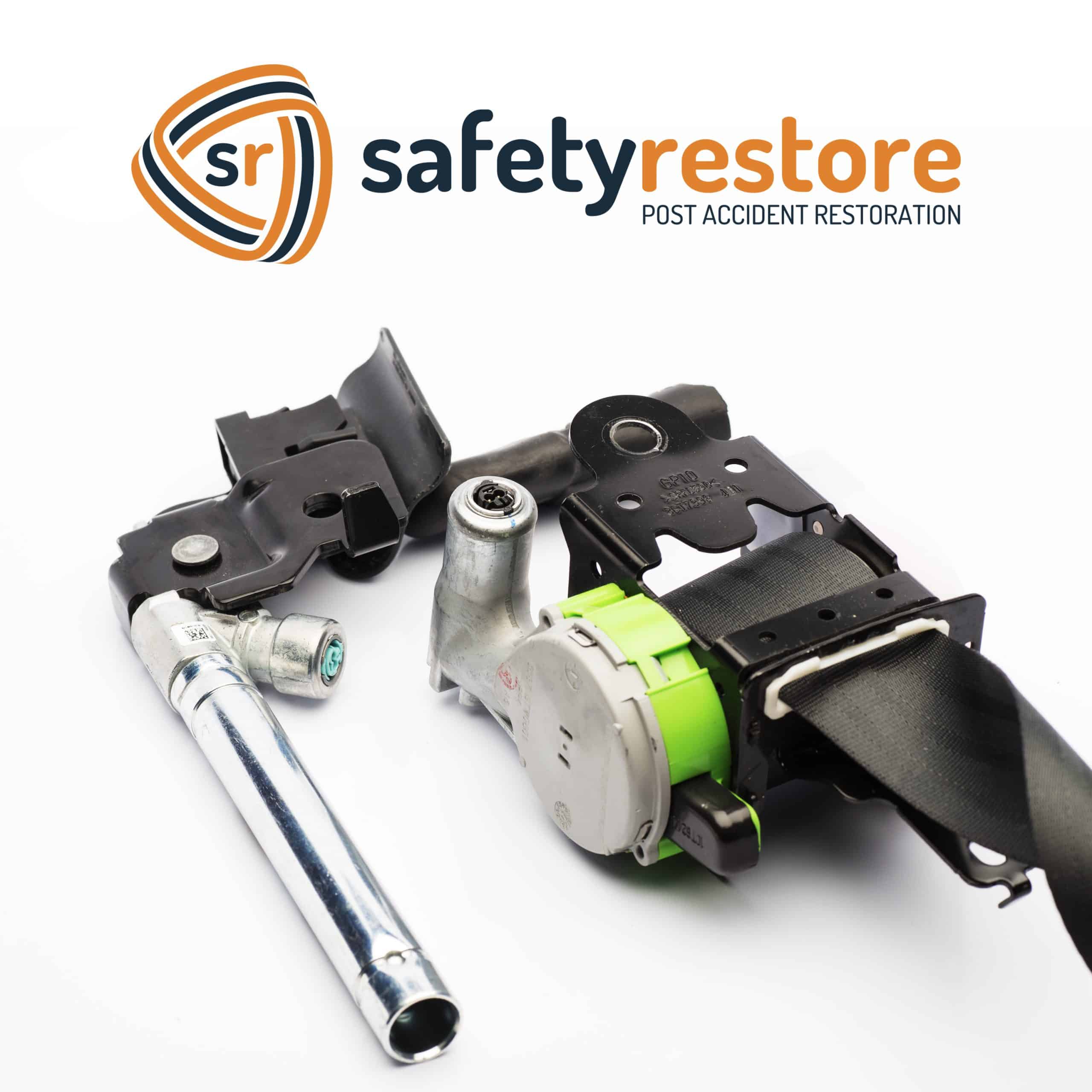
Even if your airbags didn’t fully deploy, your seat belts almost certainly locked. Pretensioners fire in any significant collision to restrain occupants — and once they fire, the belt is permanently locked. It won’t retract, it won’t extend, and it won’t pass inspection.
A locked seat belt isn’t just an inconvenience. It’s a safety issue and a legal one. You can’t drive the car legally with a non-functional restraint system.
The good news is that a locked pretensioner doesn’t mean you need a whole new seat belt assembly. Repair is almost always possible. Safety Restore has handled this for over 800,000 customers since 2013, covers all vehicle makes and models, and backs every repair with a lifetime warranty.
The SRS Warning Light After an Accident
If your SRS light is on after a collision, the airbag module has stored crash data. The system won’t arm again until that data is cleared and the module is reprogrammed — even if the airbags never actually deployed.
A hard enough impact can trigger the sensors and store fault codes without deploying the bags. The SRS light comes on, the belts may still feel functional, but the system is effectively disabled until the module is reset.
An SRS airbag module reset at Safety Restore is $54.97. A dealer charges $300 to $1,000 or more for the same result.
If You’re Buying a Salvage or Rebuilt-Title Vehicle
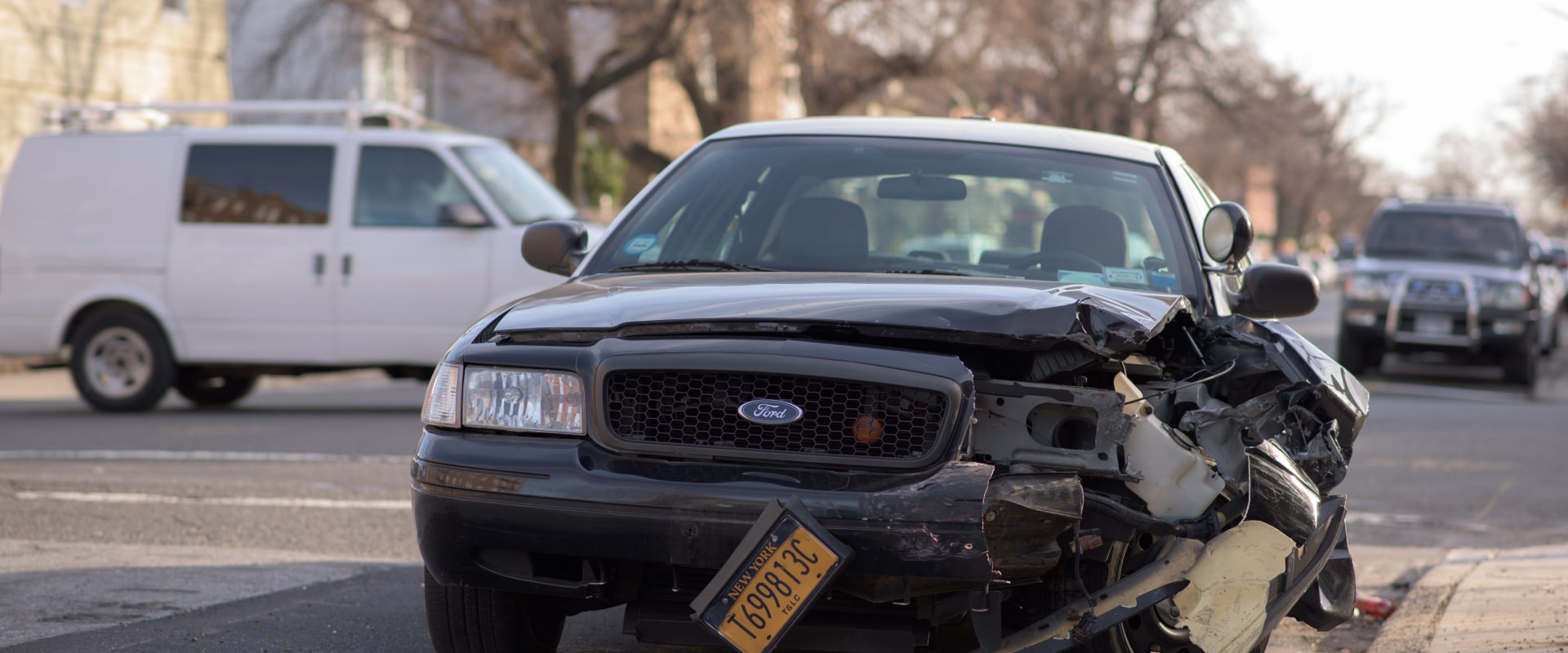
Salvage vehicles frequently come with unresolved SRS codes, locked seat belts, or missing airbag components. Sellers sometimes leave these issues for the buyer to sort out.
Before driving a rebuilt-title vehicle, confirm that the airbag module has been properly reset, that all seat belt pretensioners are functional, and that the SRS warning light is off. If any of those boxes aren’t checked, the safety system isn’t operational — regardless of what the seller says.
It’s a common situation for salvage buyers, and exactly the kind of repair Safety Restore handles quickly and affordably.
Frequently Asked Questions
Does airbag deployment automatically total a car? No. Airbag deployment raises repair costs, but whether a car is totaled depends on whether the total repair estimate exceeds a set percentage of the vehicle’s actual cash value. A newer car with strong market value can sustain airbag deployment and still be worth repairing.
Can a car be repaired after airbags deploy? Yes, in many cases. The airbags themselves must be replaced, the seat belt pretensioners need to be repaired or replaced, and the SRS airbag module must be reset. None of these issues prevent a car from being returned to safe, driveable condition.
How much does it cost to fix airbags after they deploy? Dealer pricing for full airbag system work runs $1,000 to $6,000 or more. Mail-in repair services like Safety Restore reset the SRS airbag module for $54.97 and repair locked seat belt pretensioners starting at $69.97 — saving up to 90% compared to dealer costs.
What is an SRS airbag module reset and why do I need one? The SRS airbag module stores crash data after a collision. Until that data is cleared and the module is reprogrammed, the airbag system won’t arm again. A reset restores the module to its pre-accident state so the system functions normally.
My seat belt is locked after an accident. Does the whole belt need to be replaced? Not necessarily. In most cases, the pretensioner inside the seat belt assembly can be repaired rather than replaced. Safety Restore repairs single-stage pretensioners for $69.97, dual-stage for $99.97, and triple-stage for $114.97, covering all makes and models.
What happens to the SRS system if I buy a salvage title car? Salvage vehicles frequently have unresolved SRS fault codes, locked pretensioners, or missing airbag components. Before driving the vehicle, verify the airbag module has been reset, all seat belts are functional, and the SRS warning light is off.
How long does it take to get seat belts and airbag modules repaired by mail? Safety Restore completes all repairs and resets within 24 hours of receiving the parts and ships them back with free return shipping. Most customers have their parts back within a few days of sending them in.
Ready to order? Call or text (413) 564-1242 to get started with your SRS repair
Deployed airbags don’t have to mean the end of your car. Get the repair estimate first, understand your state’s total loss threshold, and know that restoring the safety system doesn’t have to cost dealer prices. Ship your seat belt or airbag module to Safety Restore and you’ll have it back — fully repaired, lifetime warranty included — faster and cheaper than any dealer quote you’ll find.